
CASE STUDIES SEFTON SUFFRAGETTES
Sefton Suffragettes
Bringing Sefton's fight for equality back into public view.
Client
Sefton Libraries / Sefton Council
Project Partner
Edge Hill University
Year
2018
Mass Role
· Creative Direction · Exhibition Design · Visual Communication · Editorial Design · Heritage Interpretation
Delivery
· Touring Micro-Exhibition · Large-Format Exhibition Graphics · Public-Sector Communications
The Context
A national anniversary. A local story that deserved to be told.
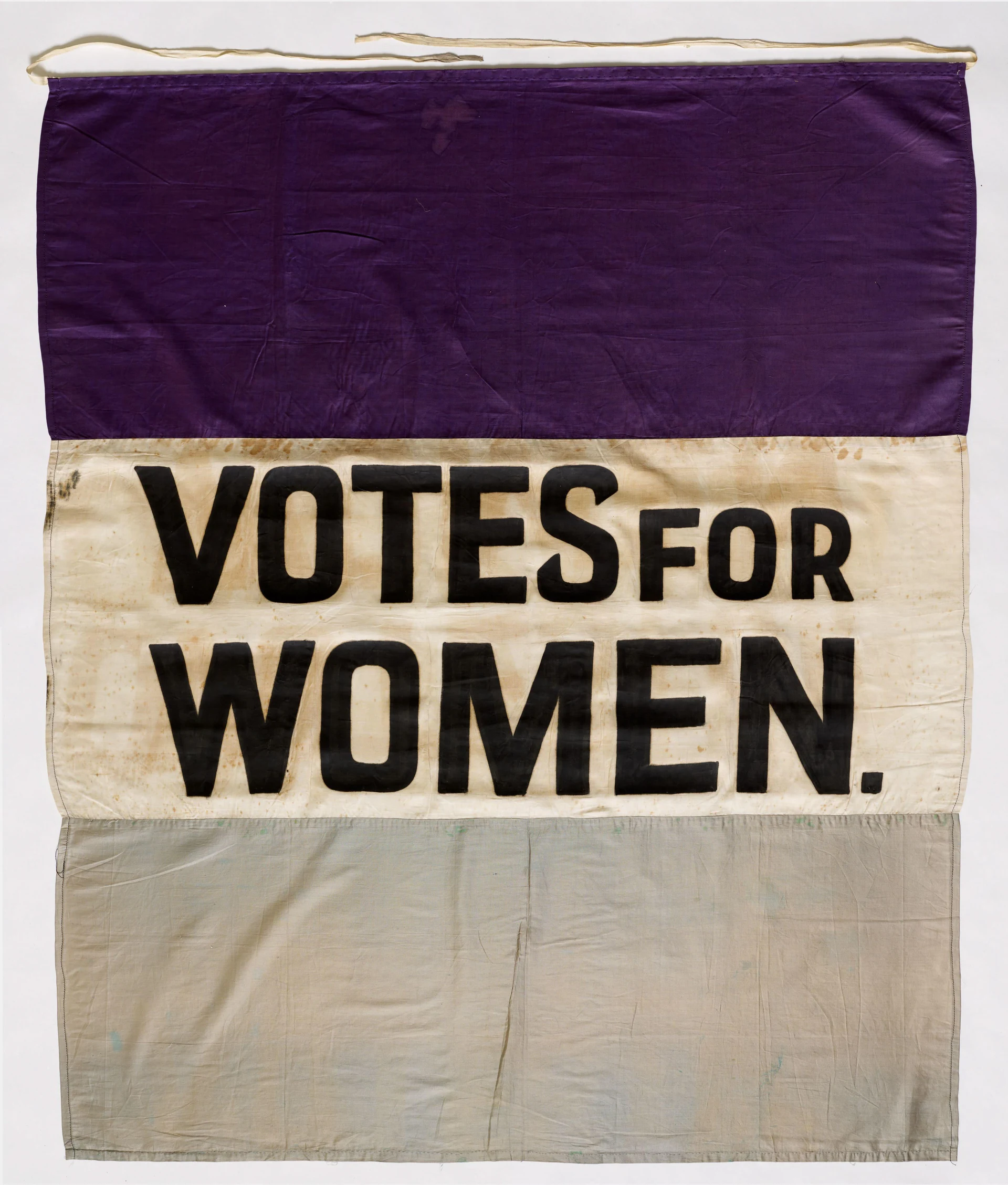
2018 marked one hundred years since the Representation of the People Act began a fundamental change in British democracy.
For the first time, millions of women gained the parliamentary vote — although only those over 30 who met qualifying conditions. Full electoral equality with men would not follow for another decade.
The centenary created an opportunity not simply to retell the familiar national history of the suffrage movement, but to uncover the part played by women much closer to home.
Sefton had its own stories.
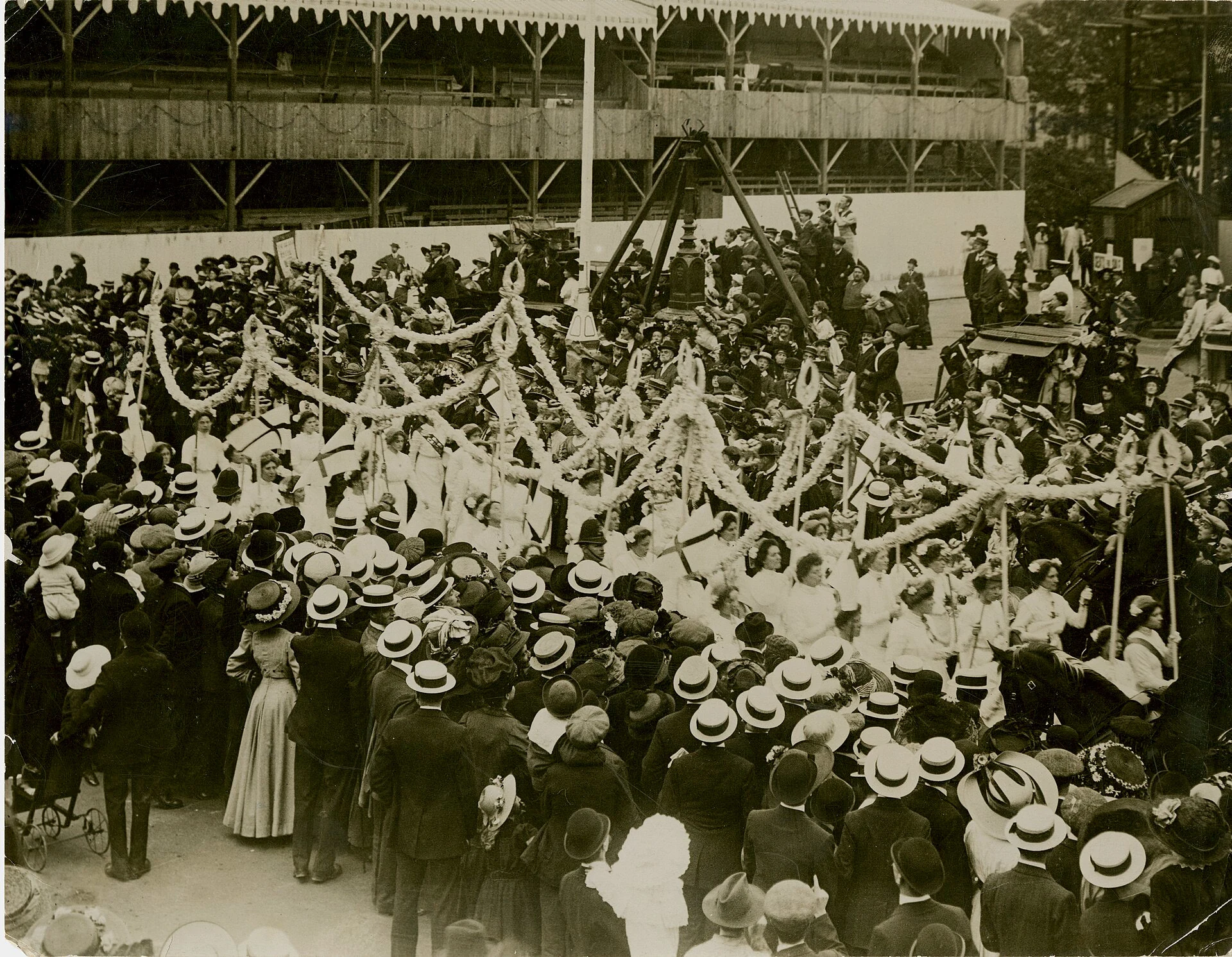
Local women had challenged convention, campaigned for political equality and played their part in a movement that would permanently change British society.
Sefton Libraries, working in partnership with Edge Hill University, wanted to bring those stories out of the archive and
The Challenge
Turning historical research into something people would stop and engage with.
This wasn't simply an exercise in displaying historical information.
The subject carried real cultural and political significance. The exhibition had to respect the source material and the women whose stories it represented while remaining approachable to a contemporary public audience.
It also had to make a national movement feel unmistakably local.
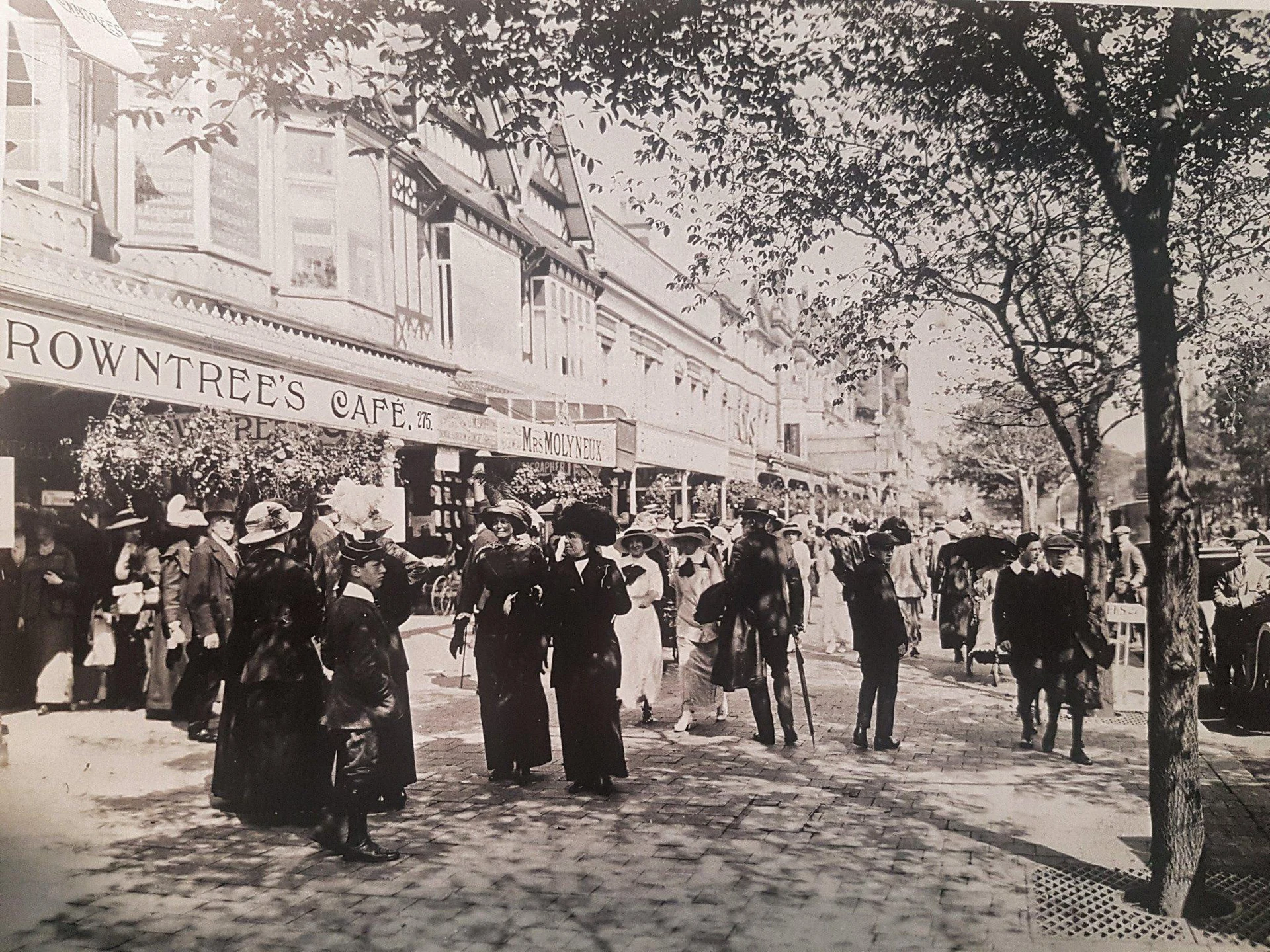
The story needed to connect events that happened more than a century earlier with places people across Sefton still knew.
And because the exhibition was designed to travel rather than remain inside a single museum or gallery, it needed to be compact, self-contained and immediately understandable wherever it appeared.
The creative problem was therefore as much about communication and interpretation as design.
The Idea
Don't just tell the story of the suffragettes. Tell Sefton's story.
The central idea was simple:
bring the national struggle for women's suffrage down to a human, local level.
Instead of treating the centenary as an abstract piece of political history, the exhibition focused attention on the women, events and places that connected the movement directly to Sefton.
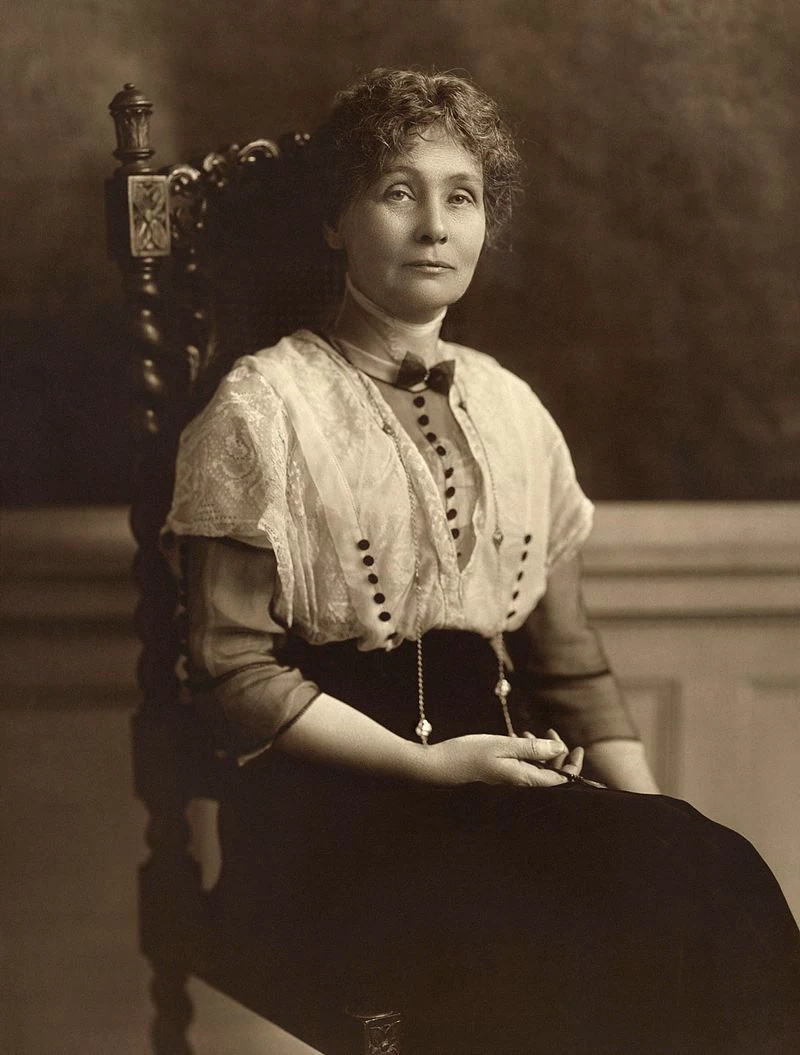
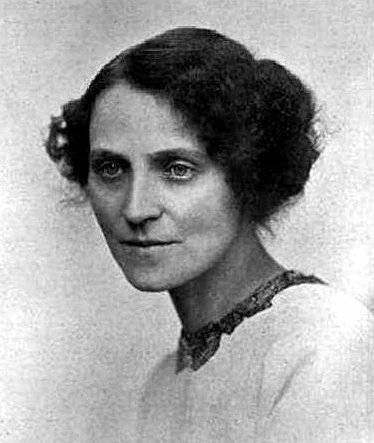
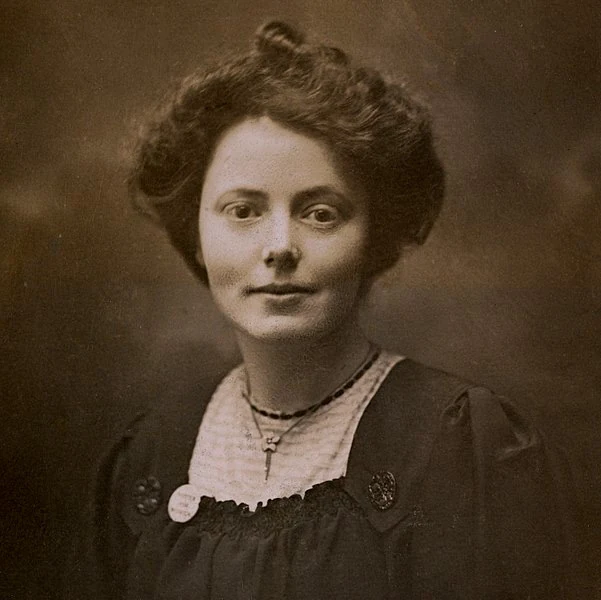
That included the role of local women such as Dora Marsden and the dramatic 1909 “campaign of disruption” in Southport.
Suddenly this wasn't something that happened somewhere else.
It happened here.
The result was an exhibition built around a much stronger connection between people, place and history, using design to make archival and academic material accessible to people encountering the story in an everyday public environment.
The Work
Four exhibition pieces designed to take the story across Sefton.
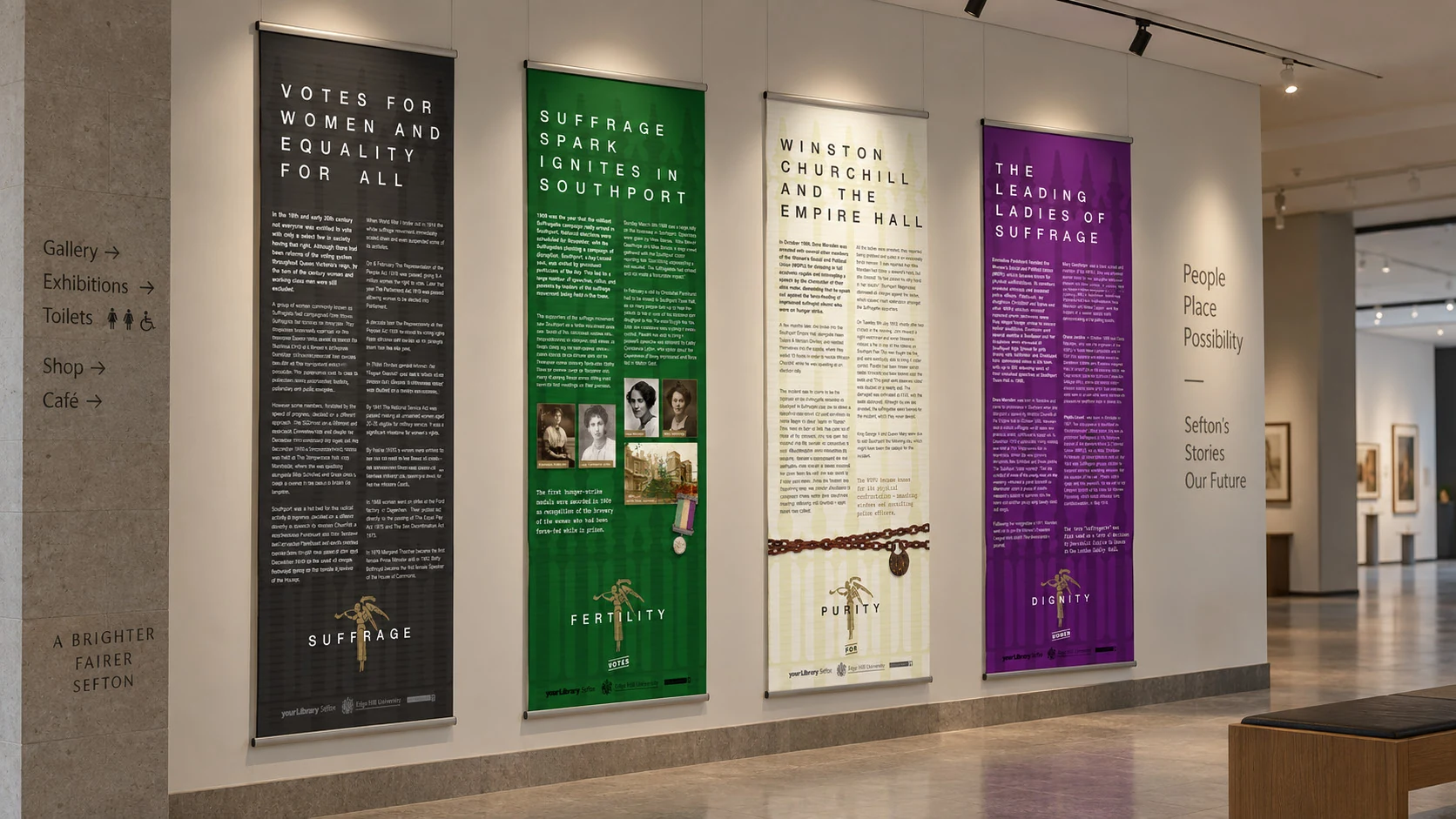
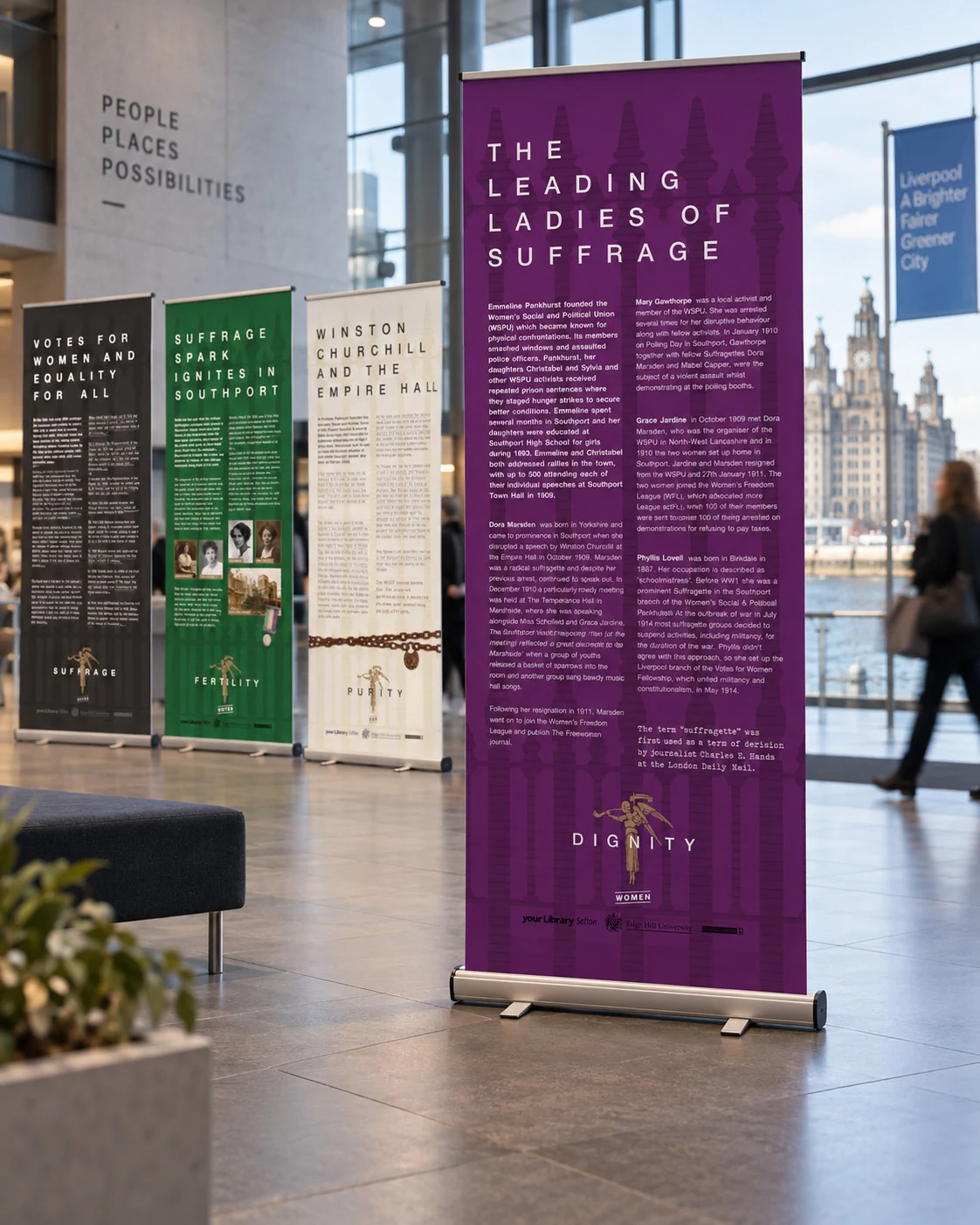
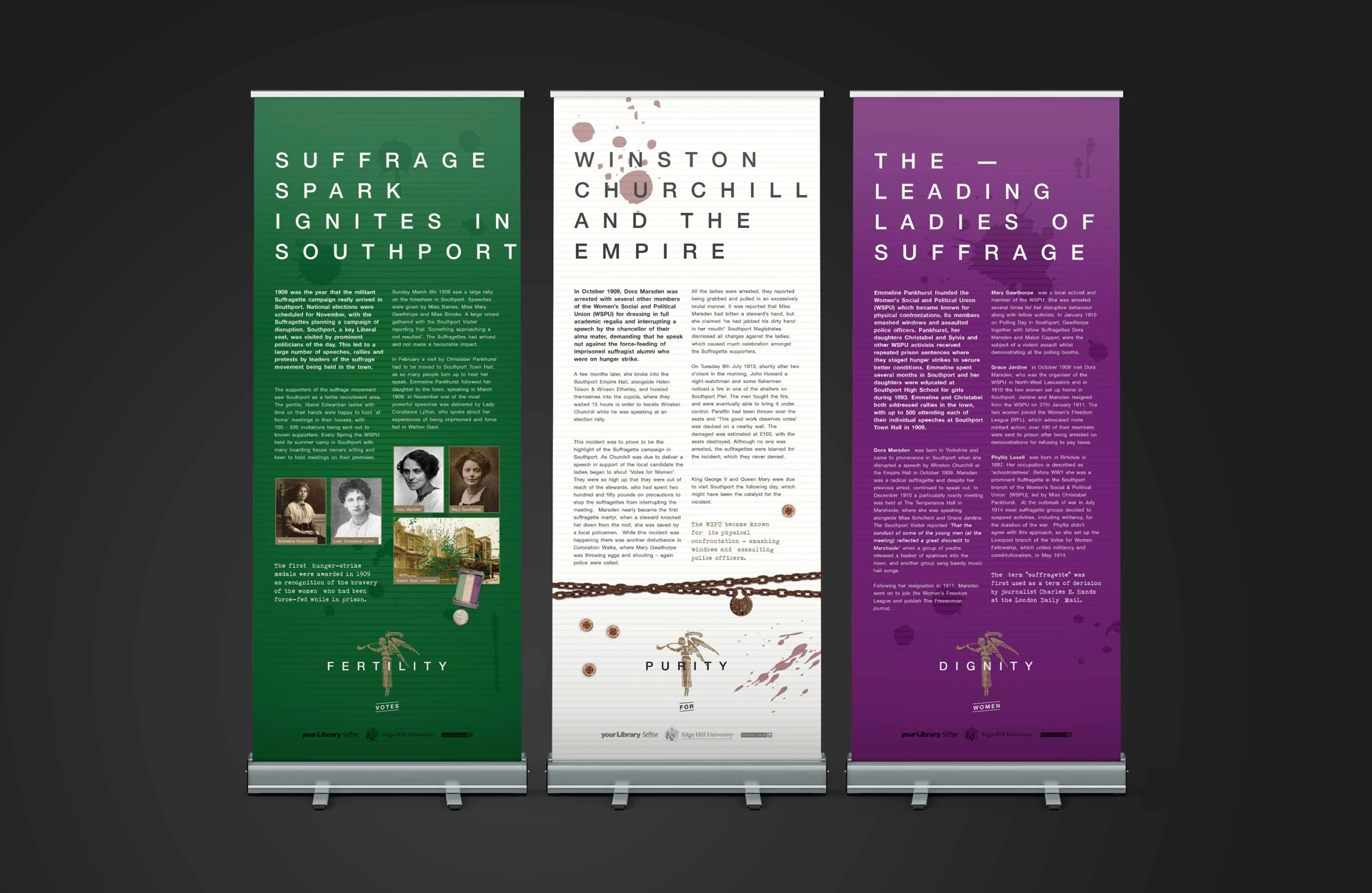
MASS translated the project material into a concise four-panel touring micro-exhibition.
The format had to work hard.
Each pull-up exhibition panel needed to function individually while contributing to a coherent overall story. Historical content had to remain readable at different viewing distances, imagery and typography needed sufficient presence to attract attention, and the complete system had to work within the physical constraints of a portable exhibition.
That compact format was deliberate.
Rather than asking audiences to visit a specialist heritage venue, the exhibition could travel directly into libraries and public spaces across the borough.
The finished exhibition was first unveiled at Crosby Library before beginning a planned 12-week tour of Sefton libraries.
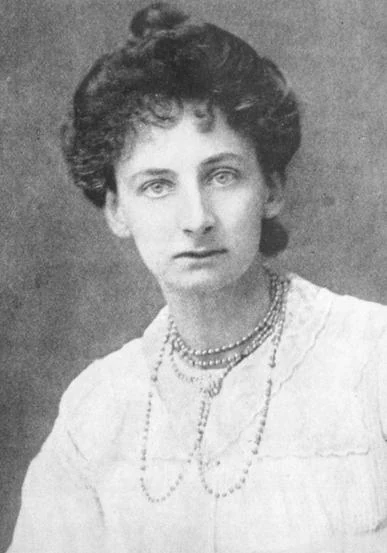
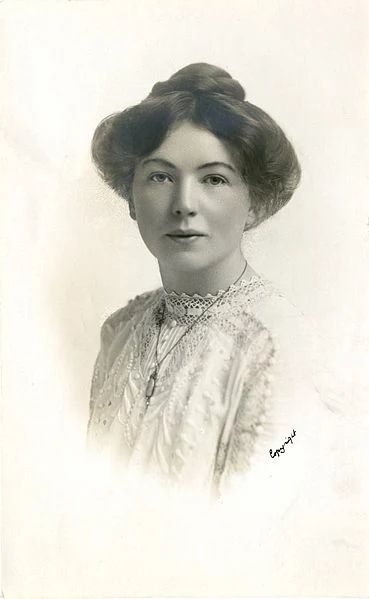
There were also ambitions for the exhibition to reach Southport Town Hall, an especially relevant setting given its connection with speeches made there by Emmeline and Christabel Pankhurst.
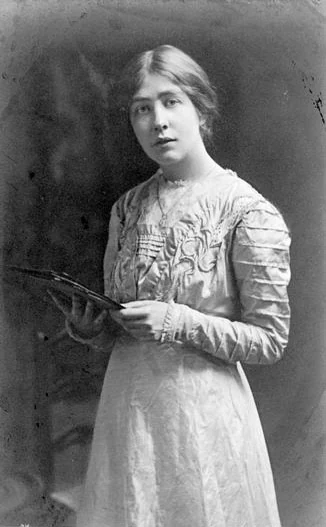
The collaboration was not intended to end with the original four panels either. Edge Hill University students were carrying out further research into Sefton women involved in the suffrage movement, providing material from which the exhibition could potentially grow.
The Result
A small exhibition with a much bigger purpose.
The project turned a significant piece of local social history into a portable public experience.
Rather than remaining buried in research or archive material, Sefton's suffrage history could travel through the communities connected to it.
The four-panel format gave Sefton Libraries an exhibition that could move between venues while retaining a clear and consistent story, and the partnership with Edge Hill created the opportunity for new historical research to extend that story further.
Most importantly, the project made the centenary about more than remembering a national milestone.
It connected one of Britain's defining movements for equality with the women, events and places of Sefton itself.
Why It Matters
Good communication can make history relevant again.
For MASS, this project demonstrates something broader than exhibition design.
It shows how creative thinking can take research-heavy, culturally significant information and transform it into communication that works for a much wider audience.
It required collaboration between a local authority library service, an academic institution and a creative partner; sensitivity toward historical subject matter; clear information hierarchy; interpretation; and practical delivery within a physical public environment.
Those same principles apply far beyond heritage projects.
Understand the material. Understand the audience. Find the human story. Then make people want to engage with it.
The Proof
4 PANELS Touring micro-exhibition.
12 WEEKS Planned library tour.
SEFTON + EDGE HILL Public-sector / academic partnership.
1918–2018 Suffrage centenary.