
CASE STUDIES SEFTON’S LOST VOICES
Sefton Lost Voices
Giving local memories a voice before they disappear.
Client
Sefton Libraries / Sefton Council
Project Focus
· Community Engagement · Dementia Awareness · Oral History · Local Heritage
Mass Role
· Creative Direction · Brand Identity · Campaign Concept · Art Direction · Public Engagement
The Context
Everyone has a story worth preserving.
Some of the most valuable records of a community never appear in official archives.
They live in memories.
Stories about childhood. Work. Family. War. Streets that have changed. People who are no longer here. Everyday experiences that collectively describe what life in a place was really like.
Sefton Libraries developed Lost Voices as part of its work around dementia and memory loss.
The idea was simple but powerful: give people experiencing the early stages of memory loss the opportunity to record their life stories while those memories could still be shared.
One recording could remain with the individual and their family as an aide-memoire and keepsake. Another could become part of Sefton Libraries’ oral-history archive, preserving first-hand social history for future generations.
The project also sat within Sefton’s wider dementia strategy, where maintaining memory, independence, relationships and wellbeing were important priorities.
MASS was asked to give the initiative a visual identity capable of carrying that ambition into the community. The original MASS 1.0 case study described the brief as creating an identity that would drive awareness and bring the community together.
The Challenge
Communicating dementia without defining people by it.
This needed sensitivity.
Lost Voices dealt with dementia and memory loss, but the project itself was not about illness.
It was about people.
Their lives.
Their experiences.
And the value those experiences continued to hold.
A conventional health-service identity could easily have made the project feel clinical or institutional.
At the other extreme, treating it simply as a heritage exercise would have missed its immediate purpose for people living with memory loss and their families.
The identity needed to occupy the space between those worlds.
It had to explain a serious social purpose while remaining warm, accessible and positive enough for people to want to participate.
And because success depended upon community involvement, it needed to attract attention beyond the library itself, reaching families, carers, volunteers and partner organisations.
The design challenge was therefore not simply:
How do we brand an oral-history project?
It was:
How do we make people feel that their memories matter?
The Idea
A voice leaves an imprint.
The creative direction centred on memory, sound and human connection.
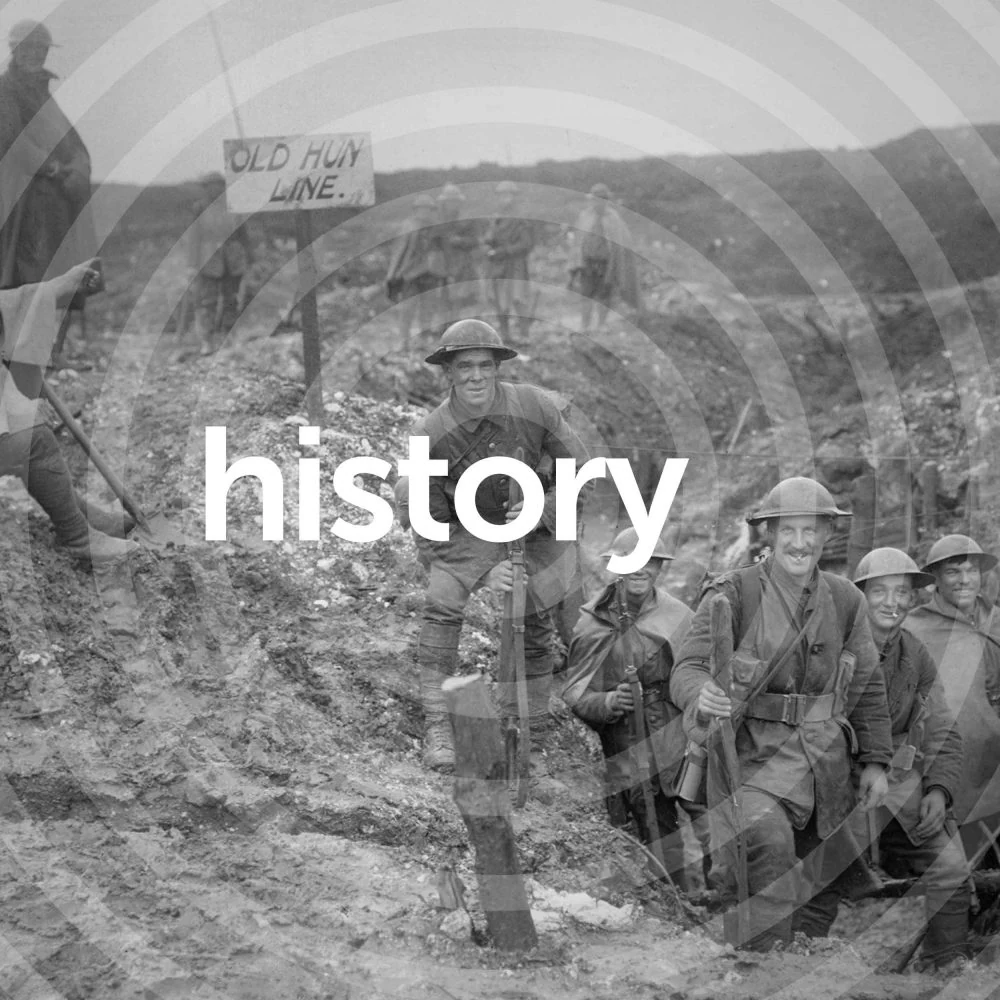
The distinctive Lost Voices symbol, a radiating, fingerprint-like form, provided a visual metaphor for something deeply personal:
a voice that belongs uniquely to one individual, but leaves something behind for others.
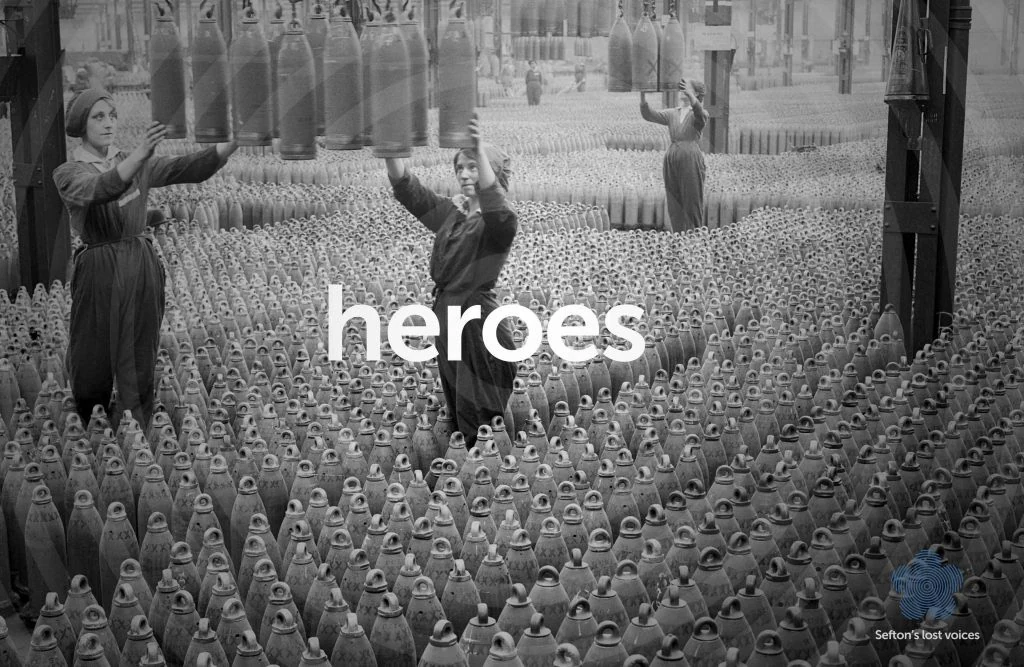
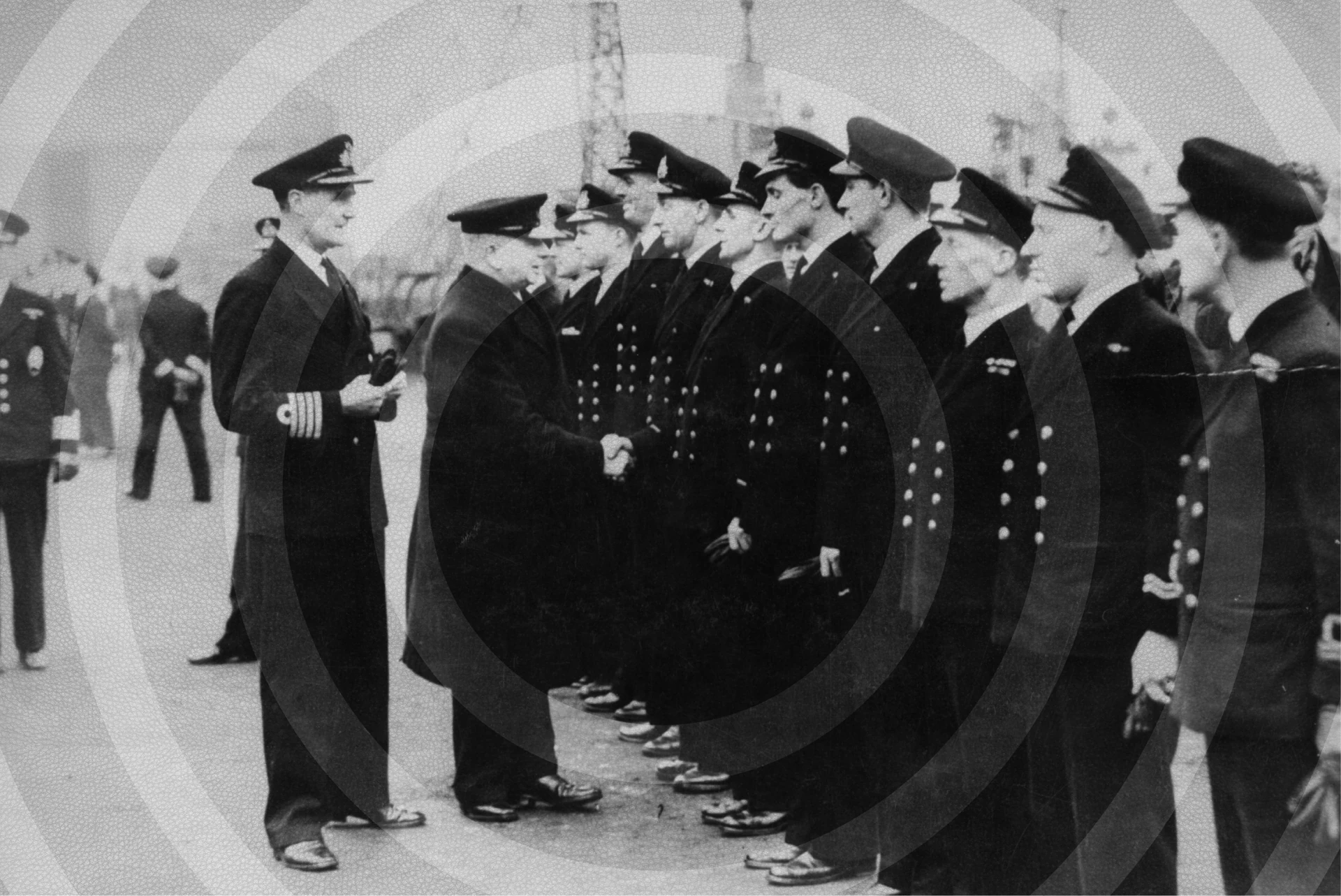
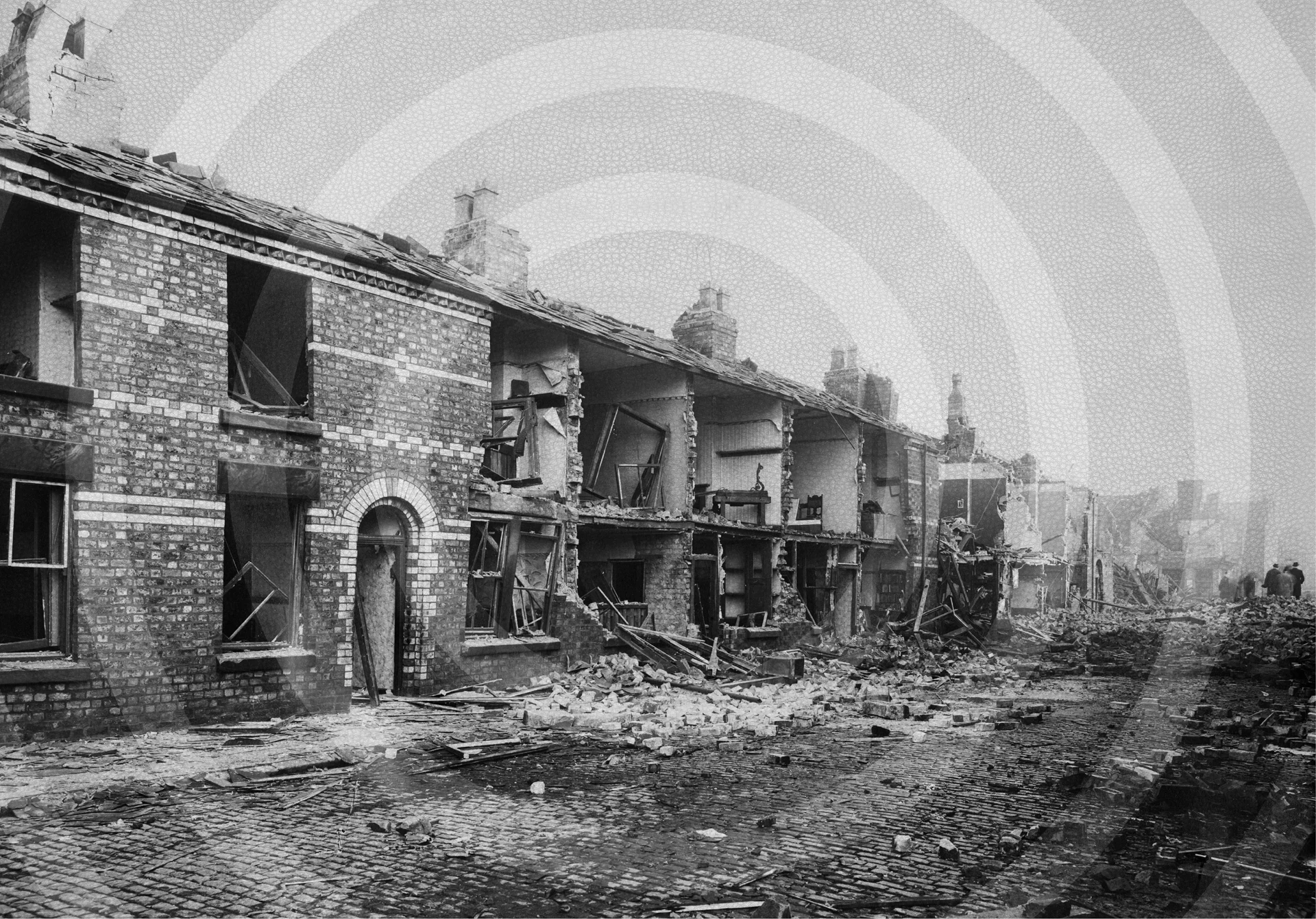
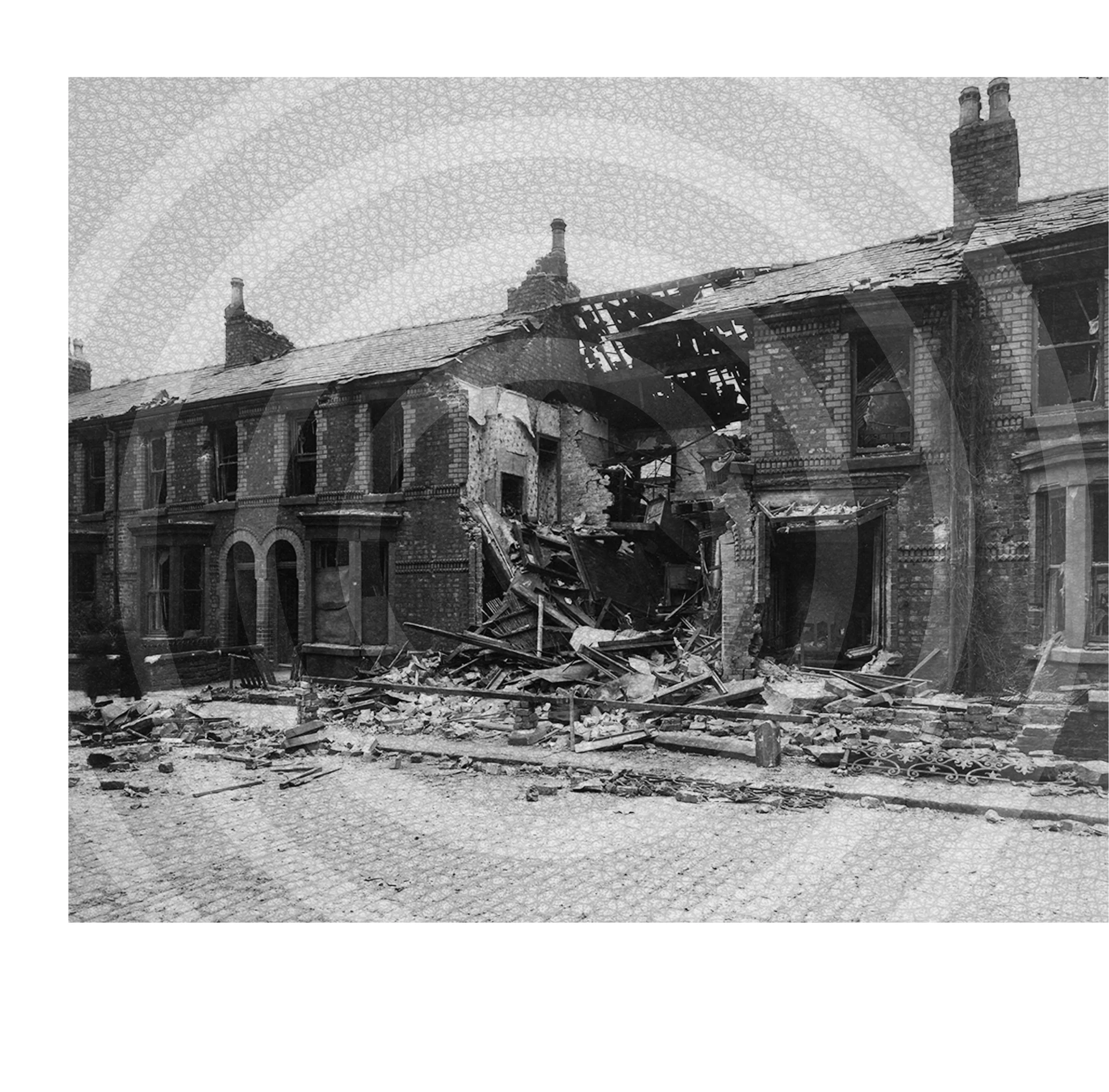
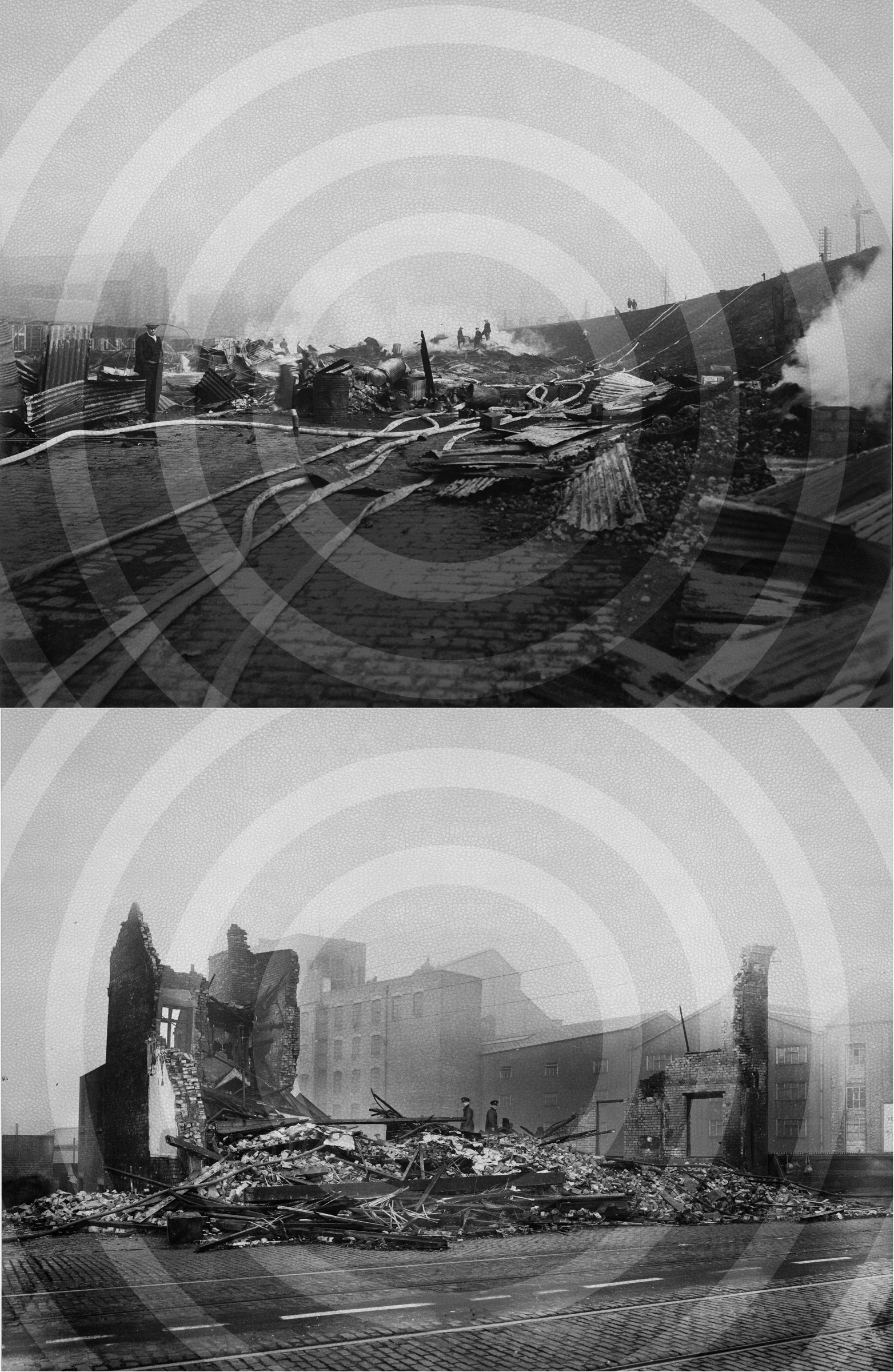
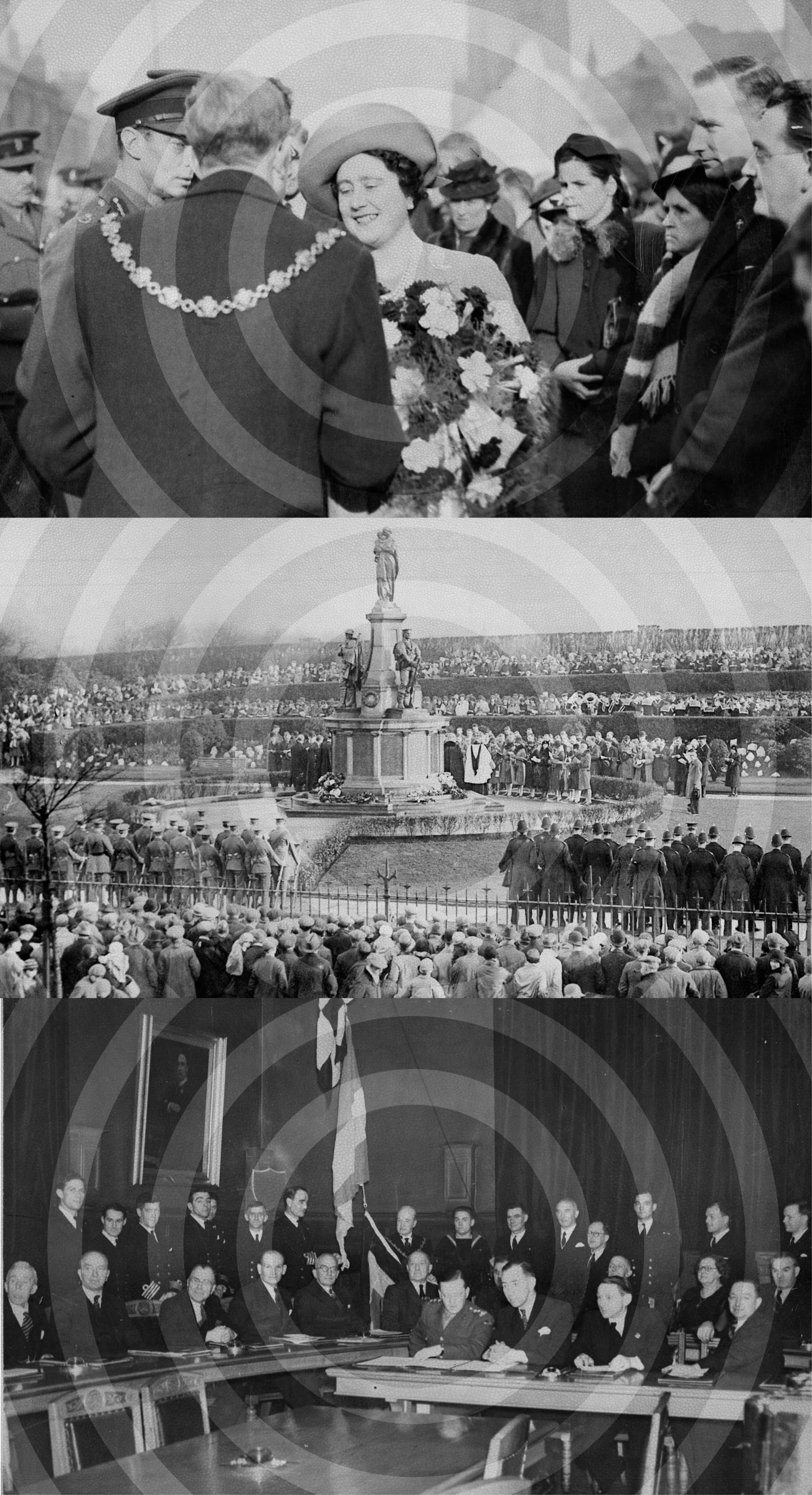
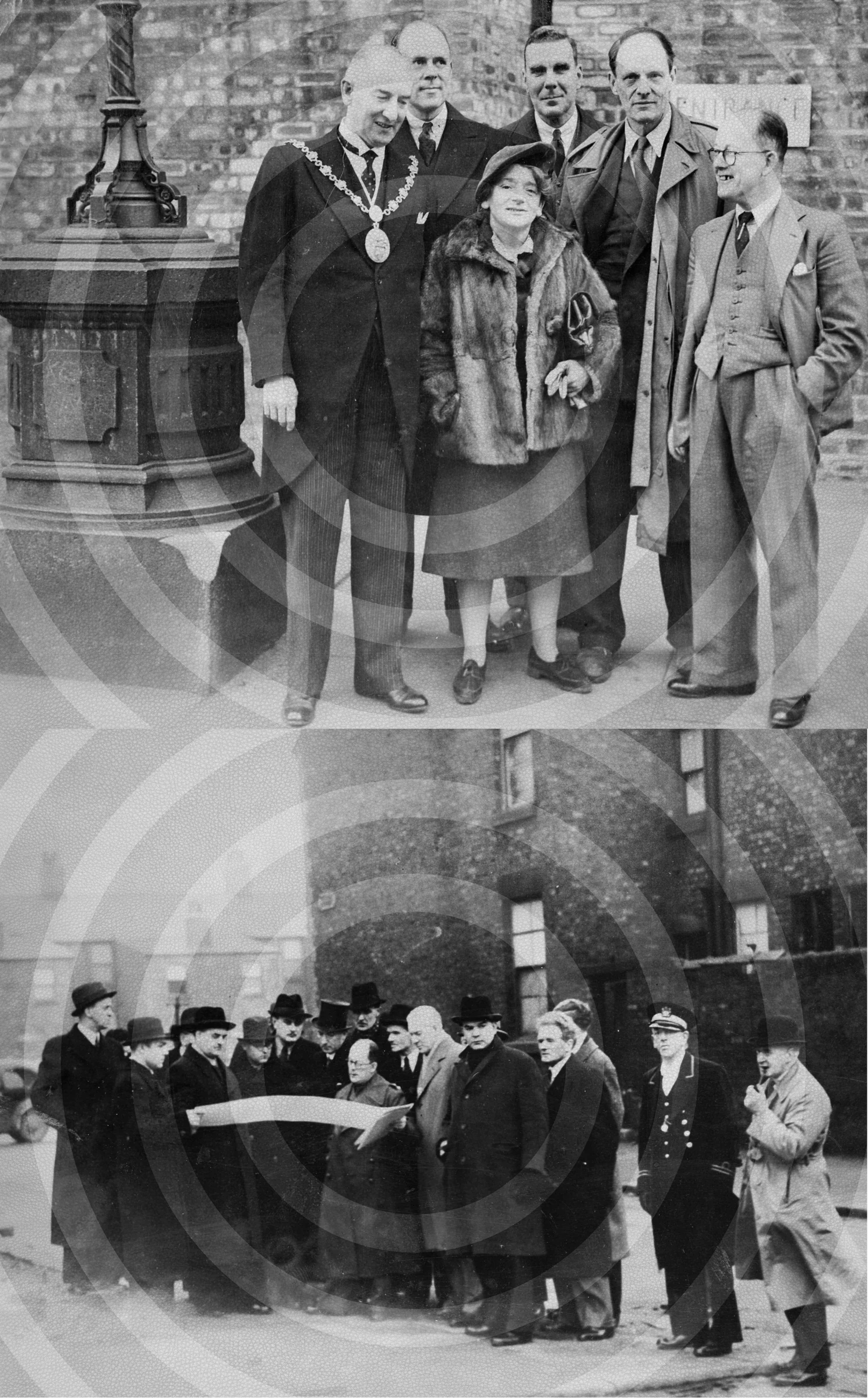
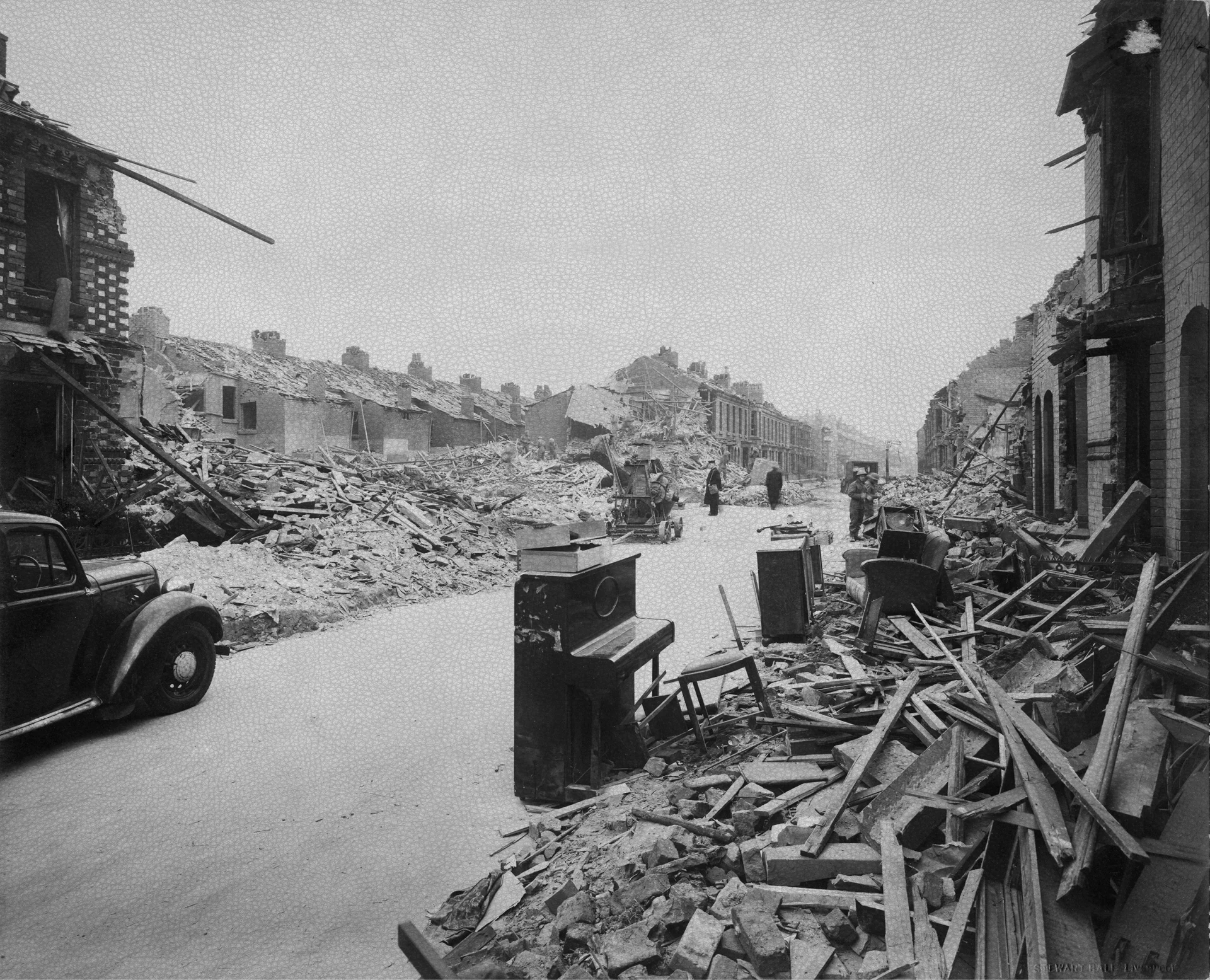
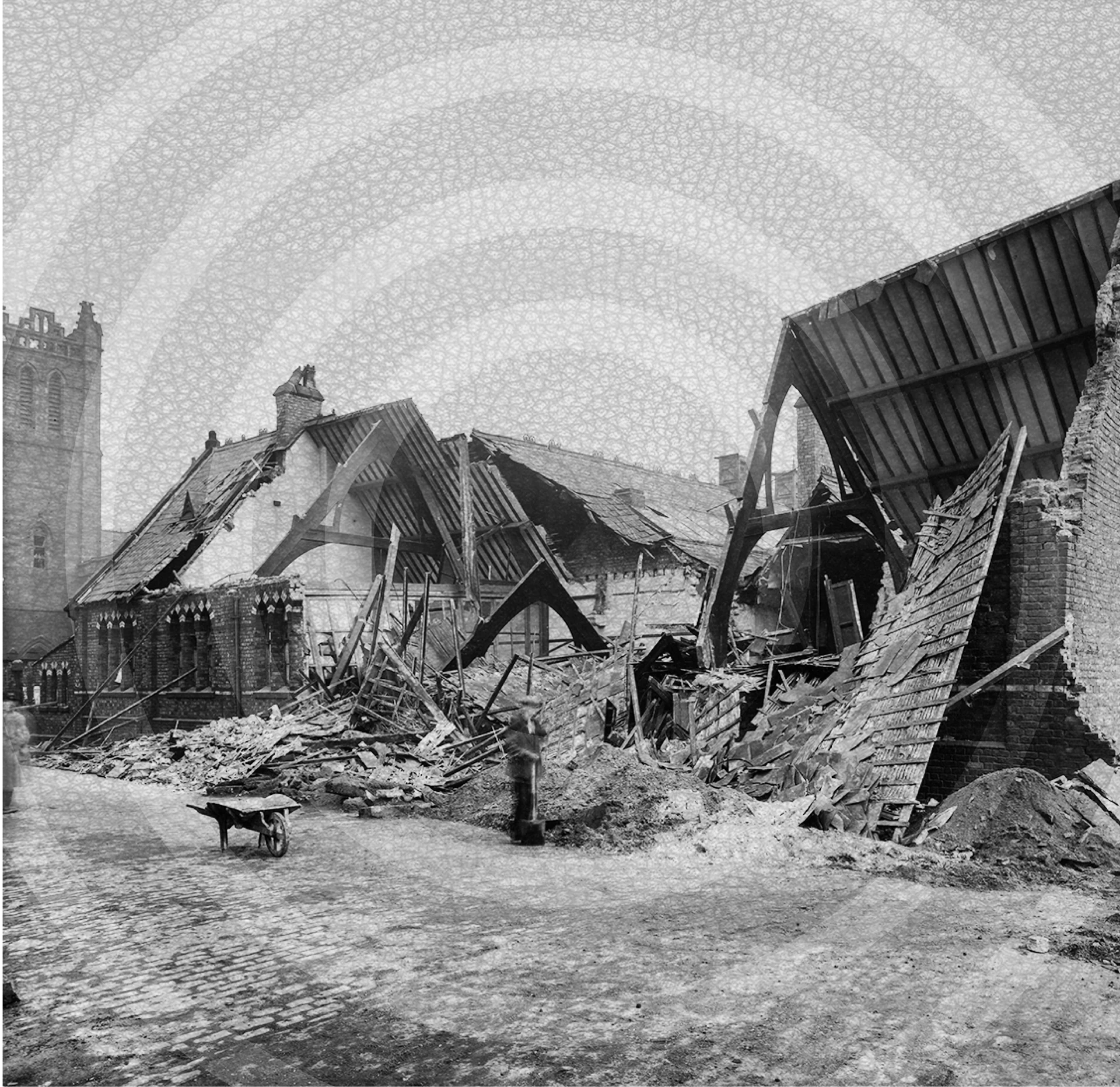
The wider campaign combined contemporary typography with portraiture, archive imagery and local-history themes.
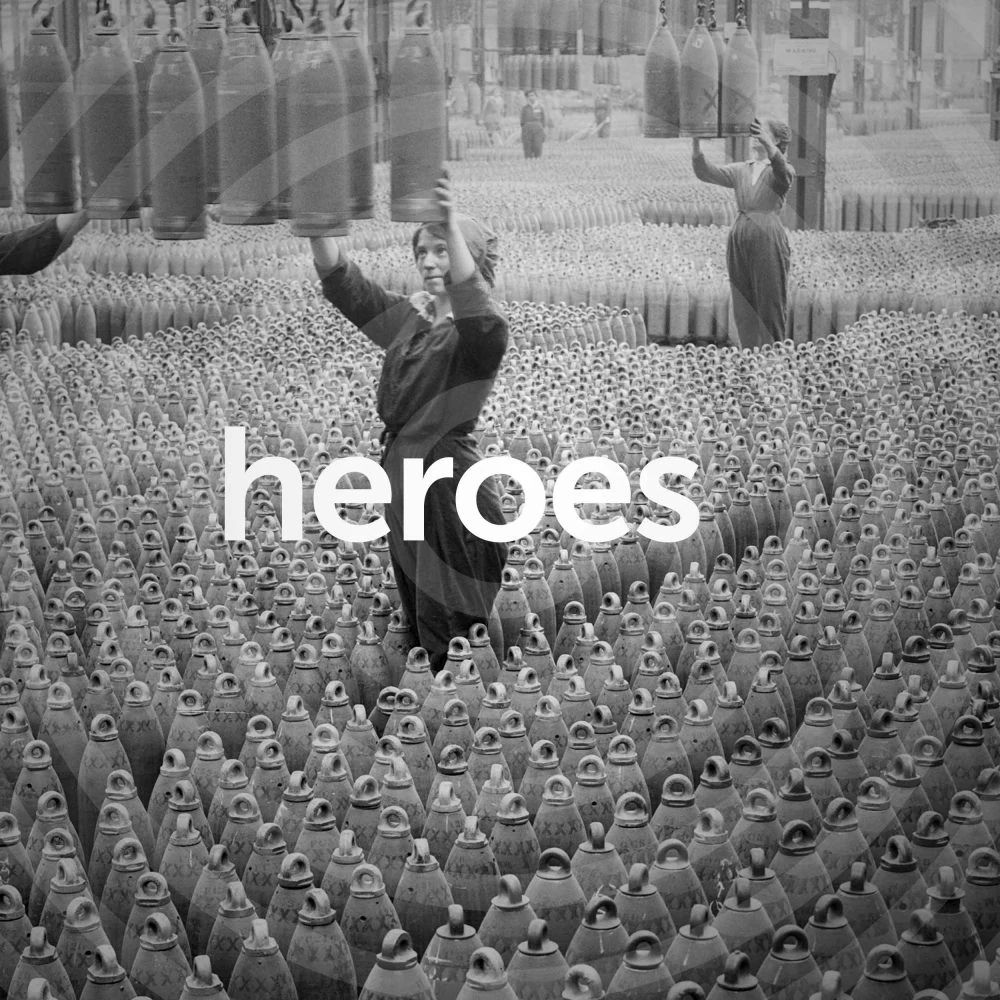
Words such as HEROES and HISTORY became simple ways of opening conversations around lived experience.
Those images were not there simply to illustrate the past.
They represented the type of memories that people across Sefton could carry with them:
war and evacuation, working lives, childhood, family, neighbourhoods and moments that might otherwise never enter the historical record.
Research into the programme later described recordings ranging across wartime experiences, school life, family stories and working lives in what is now Sefton.
The proposition underneath the identity was therefore very human:
Your memories are part of our history.
The Work
Turning a sensitive service into something people could engage with.
MASS developed a strong, recognisable brand identity and campaign platform for Lost Voices.
The visual language deliberately avoided the familiar imagery of healthcare campaigns.
Instead, it used:
portraiture, local history, archival photography, strong typography and the distinctive Lost Voices mark to create something that felt cultural and community-led rather than clinical.
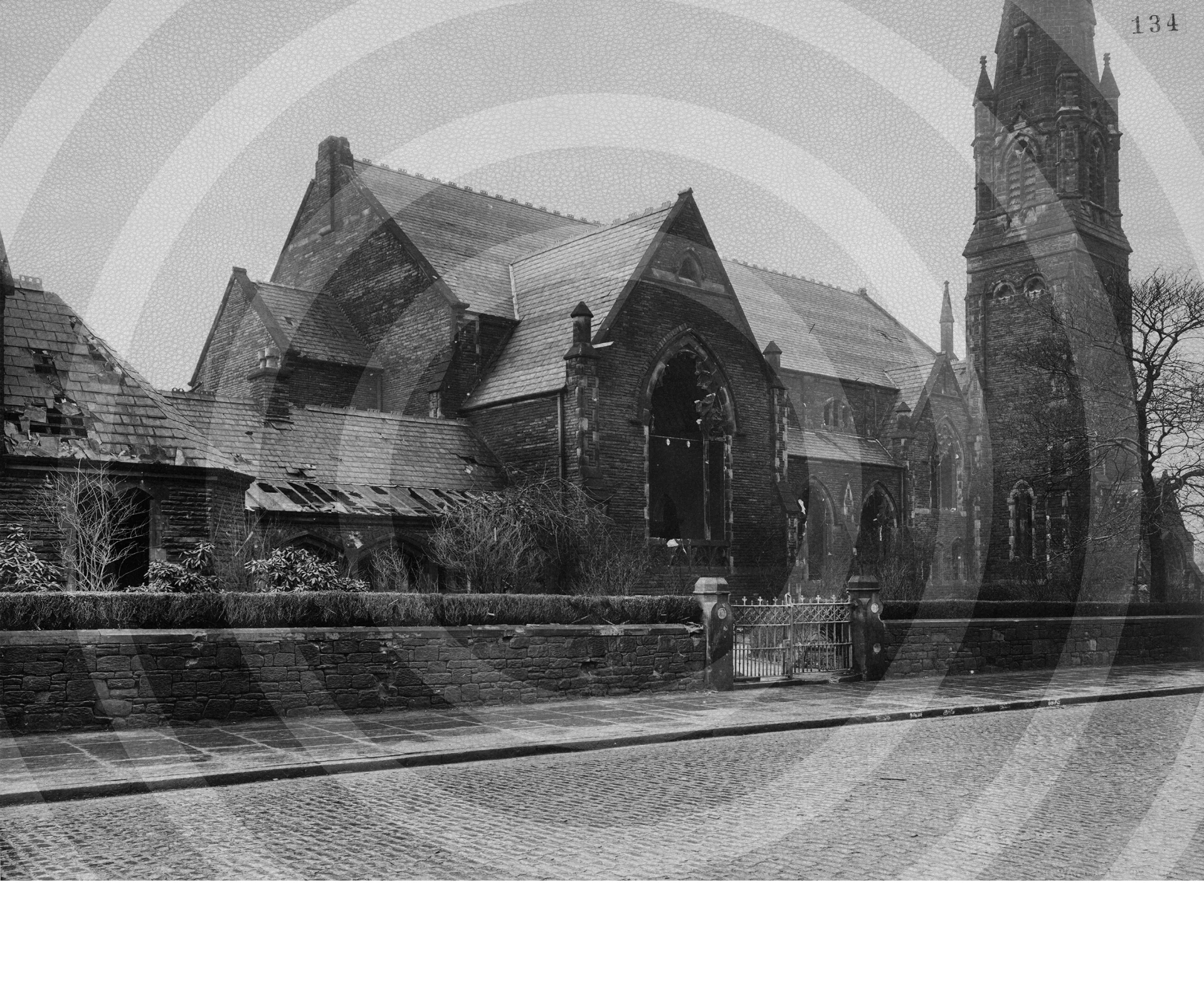
That gave Sefton Libraries a platform through which it could talk about several connected ideas:
memory, identity, local history, dementia awareness, family connection and participation.
The HEROES and HISTORY creative extended that system through bold archival imagery and simple, direct language, allowing the individual story to remain at the emotional centre of the communication.
“Distinctive campaign combining portraiture and local history to encourage participation and preserve community stories.”
How it Worked
Lost Voices was more than a communications exercise.
Participants could be referred through community and voluntary-sector partners, including organisations working with people experiencing memory loss.
Volunteers recorded conversations with participants in homes, care settings and community environments. Recordings could then serve two purposes.
For the individual and their family, they became a personal record that could help prompt conversation and reconnect people with important events and relationships.
For Sefton Libraries, recordings could become part of a growing oral-history collection, giving future researchers, students and local residents access to voices and experiences rarely captured in conventional historical records.
That dual purpose is one of the strongest elements of the project:
supporting people in the present while preserving something for the future.
The Result
A strong identity helped a small idea become a recognised community programme.
The success of the project was reflected not only in participation and external recognition, but in direct client feedback linking the strength of the identity to the programme’s ability to gain traction.
The original MASS case study records more than 120 memories having been captured.
It also records the project being recognised through the prestigious Libraries Change Lives Award, becoming the first Sefton project to receive that level of recognition.
Independent sources confirm Lost Voices was a 2016 finalist in the CILIP Libraries Change Lives Awards and was subsequently highlighted as an example of inclusive library practice.
Academic documentation of the initiative also described the project as remarkably economical: approximately £2,300 covered recording equipment, publicity, promotion and training, while almost 100 residents had already been recorded at the time that research was written.
The most important proof, though, comes from the client.
Lesley Davies, Senior Development Manager at Sefton Library Service, specifically credited the identity with giving the project a strong professional presence and helping it gain traction. The recovered testimonial says:
“Without such a strong identity, I don’t think it would have taken off so well.”
That is unusually powerful evidence for a branding case study because the client is directly linking creative identity to participation and success.
Client Response
Lesley Davies Senior Development Manager, Sefton Library Service
She described MASS as approachable, said the work was “Strong, Stylish and professional”, praised the Lost Voices designs and said the identity gave the project a professional look and feel. She then pointed to the 120+ recorded memories and award recognition before directly crediting the strong identity with helping the scheme take off.
“Without such a strong identity, I don’t think it would have taken off so well.”
Why it Matters
Good design can give an important idea the confidence to grow.
Lost Voices demonstrates something much broader than logo design.
The project sat at the intersection of:
public health, dementia awareness, community engagement, local history and social value.
MASS had to understand all of those dimensions without allowing any one of them to overwhelm the human story.
The solution gave Sefton Libraries something recognisable and credible enough to build participation around, while retaining the warmth required for individuals and families to trust the project.
And the communication did more than promote a service.
It helped preserve voices that might otherwise have disappeared.
That is what makes the project particularly strong for prospective public-sector clients and employers.
It demonstrates the ability to take a sensitive, complicated brief and find a clear creative idea that people can understand, trust and engage with.
Understand the purpose. Respect the audience. Find the human truth. Give it a voice.
The Proof
120+ Memories recorded.
CILIP FINALIST Libraries Change Lives Award 2016.
COMMUNITY & HEALTH Dementia awareness and oral history.
SEFTON ARCHIVE Preserving first-hand social history